
Sinking of the HMCS Annapolis in British Columbia
From sunken ships to underwater sculpture parks, artificial reefs are quietly helping to rebuild the ocean. These human-made structures not only provide new habitats for marine life – they also support coral recovery, ease pressure on natural reefs, and boost coastal communities through eco-tourism and diving.
When you think of artificial reefs, you might picture coral-encrusted WWII wrecks or purpose-sunk naval ships. But their role goes far beyond creating dive sites. Around the world, artificial reefs are becoming tools of restoration; part of a growing global movement to repair damaged ecosystems and revive underwater life.
In this article, we’ll explore what artificial reefs are, how they contribute to ocean restoration, and where you can dive some of the world’s most fascinating artificial reef systems.
What Is an Artificial Reef?
An artificial reef is a human-made structure placed on the seafloor to mimic the functions of a natural reef, providing shelter, food, and habitat for marine life. These structures are usually made of concrete, metal, stone, or other non-toxic materials, and can range from simple blocks to elaborate sculptures and sunken ships.
Artificial reefs fall into two broad categories:
· Purpose-built reefs – Intentionally created for ecological restoration, coastal protection, or tourism (e.g., a scuttled ship or underwater sculpture park).
· De facto reefs – Human-made objects that weren’t placed with ecological intent but have become thriving marine habitats over time.
A great Canadian example is Fathom Five National Marine Park which features 24 historical shipwrecks, from schooners to steamers. Though none were sunk with ecological intent, they now serve as vibrant freshwater reefs, hosting fish, invertebrates, and even thriving research opportunities.
Why Are Artificial Reefs Needed?
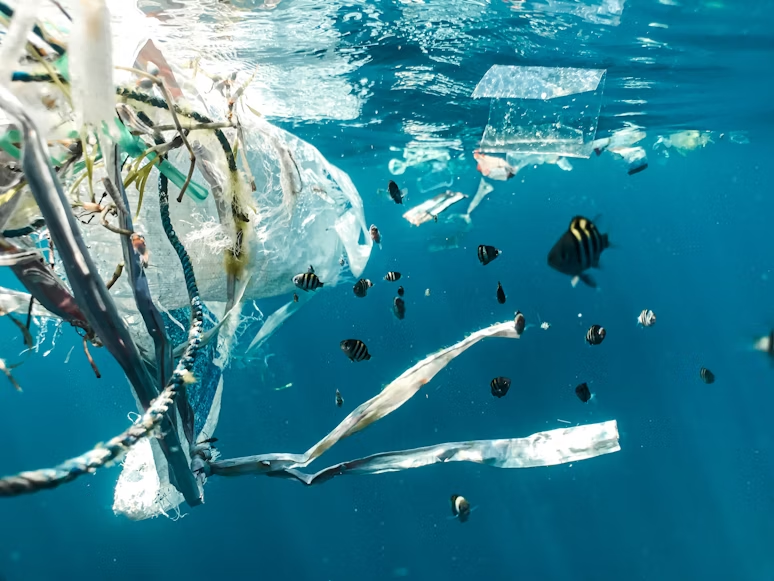
Across the globe, natural reefs face mounting threats. From coral bleaching and overfishing to storm damage and coastal development, reef systems are struggling. According to the UNEP, more than half the world’s coral reefs are under threat, and without intervention, many could disappear within decades.
That’s where artificial reefs come in. When placed strategically, they can:
· Rebuild marine habitats
· Provide safe breeding grounds
· Reduce pressure on natural reefs
· Create new dive and tourism opportunities
Artificial reefs are not a replacement for natural reefs, but they are becoming an important part of a broader ocean restoration toolkit.
How Do Artificial Reefs Work?
Once a structure is on the seafloor, nature takes over.
Microorganisms like algae and bacteria begin to colonize the surface, followed by barnacles, sponges, corals, and fish. Within months, artificial reefs can become thriving marine neighborhoods, complete with predators, prey, and even complex food webs.
Over time, these reefs can:
· Support biodiverse marine life
· Help stabilize sediment
· Act as nurseries for juvenile fish
· Draw fishers and divers away from vulnerable natural sites
In areas with no remaining reef structure, artificial reefs can jump-start the recovery process.
What Makes a Good Artificial Reef?
Not just anything belongs on the ocean floor – and not every artificial reef project is successful. For an artificial reef to work, it must be:
· Stable – able to withstand currents and storms
· Non-toxic – free from oil, paint, and pollutants
· Accessible – for monitoring and responsible tourism
· Purpose-built or properly cleaned – especially with ships and vehicles Canada has some shining examples. Off the coast of British Columbia, the Artificial Reef Society of British Columbia (ARSBC) has sunk numerous ships and planes – all cleaned and prepared with meticulous care – to create habitat and dive sites that rival natural reefs.
Top Artificial Reef Dive Sites Around the World
Whether you’re after history, art, or ecological innovation, these artificial reefs offer unforgettable diving experiences, and each one plays a role in supporting ocean ecosystems.
1. Scapa Flow, Scotland
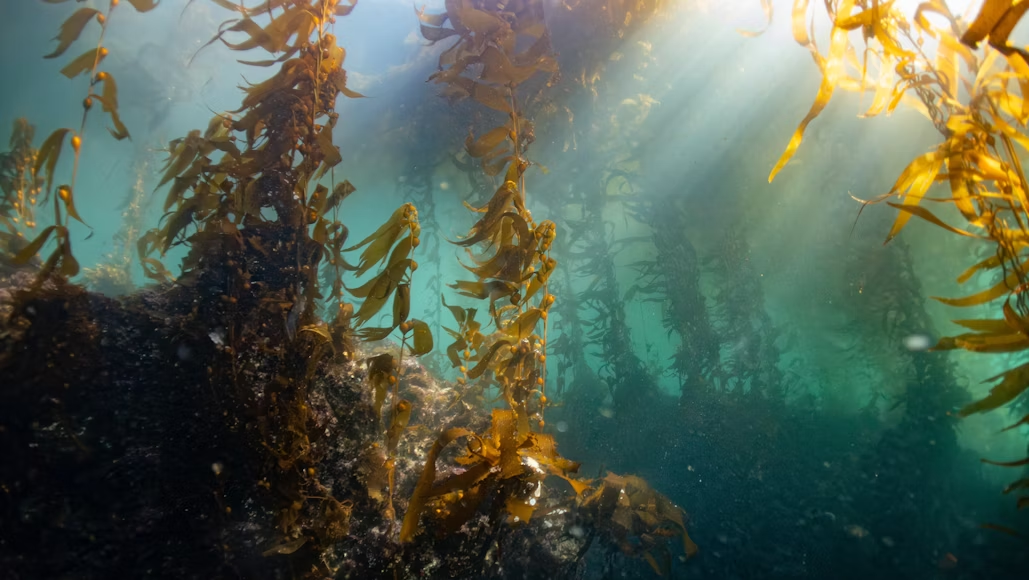
In 1919, dozens of German warships were scuttled in Orkney’s Scapa Flow. Over a century later, their skeletons are home to diverse marine life. These are de facto artificial reefs – not placed with ecological intent, but now vital to local biodiversity and wreck diving heritage.
Why go? Epic cold-water wreck diving with historical depth and abundant marine life.
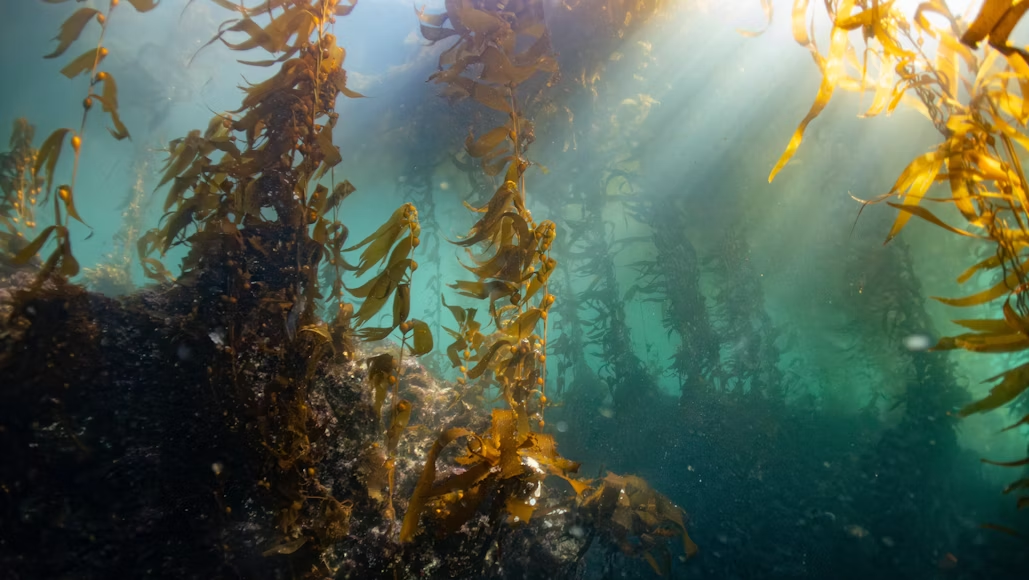
2. Truk Lagoon, Micronesia Beneath the turquoise waters of Truk Lagoon lies one of the world’s largest graveyards of WWII ships, aircraft, and tanks. Over 60 wrecks now serve as thriving reef systems, teeming with coral growth, reef fish, and macro life.
Why go? This is wreck diving at its finest, with clear water, WWII history, and a vibrant array of marine life.
3. Museo Subacuático de Arte (MUSA), Mexico Located off the coast of Cancún and Isla Mujeres, MUSA features over 500 underwater sculptures designed to encourage coral growth. The statues are made from pH-neutral materials and placed at specific depths to support marine life and divert pressure from natural reefs.
Why go? Unique combination of captivating underwater art, conservation, and beginner-friendly diving.
4. USS Oriskany, Florida, USA The USS Oriskany is the world’s largest purpose-sunk aircraft carrier reef. Scuttled in 2006 off Pensacola, this massive structure sits at a maximum depth of 64 metres (210 feet), with the flight deck at around 44 metres, and the top of the ship at 26 meters. It is perfect for recreational and technical diving.
Why go? Explore the vast structure of a sunken aircraft carrier that now supports large pelagic species and reef life.
5. HMCS Annapolis, British Columbia, Canada
Intentionally scuttled in 2015 by the Artificial Reef Society of British Columbia, this retired naval destroyer was cleaned and prepared to support both cold-water species and diving access. It’s already colonised by anemones, rockfish, nudibranchs, and more.
Why go? Cold-water reef creation done right – purpose-built for both ecology and dive training.
Can Artificial Reefs Help Coral Recovery?
Yes, in the right conditions.
Artificial reefs don’t “fix” coral bleaching or ocean acidification. But they provide space for coral transplantation, where coral fragments from damaged areas are relocated and encouraged to regrow. This technique is being used successfully in the Caribbean, the Maldives, and parts of Southeast Asia.
Do Artificial Reefs Attract Divers? Absolutely.
Artificial reefs are often designed with divers in mind, especially those made from retired ships or sculptural installations. They’re easy to access, often at comfortable depths, and attract all kinds of marine life.
For divers who travel or dive locally, artificial reefs offer:
· Unique dive experiences
· Opportunities to support reef recovery through responsible tourism
· Chances to participate in citizen science or reef monitoring
Some dive centers even run coral restoration dives where you can help plant coral or clean reefs – a great way to give back while logging dives.
Are There Risks to Artificial Reefs?
When done poorly, yes.
Some artificial reefs have failed due to poor planning, pollution, or structural collapse. Others have disrupted local ecosystems or become hazards. That’s why today’s reef projects require strict environmental review, community involvement, and long-term monitoring.
Canada’s reef projects, like those led by the ARSBC, are known for being thoughtfully designed and carefully executed, which is why they’ve become models for other regions to follow.
Artificial Reefs Are Part of the Ocean’s Future
While nothing can replace a healthy, natural coral reef, artificial reefs are proving to be powerful allies in the fight for ocean health. They bring together science, conservation, and tourism in a way that offers hope and action.
Whether you’re diving wrecks in British Columbia or exploring underwater art in the tropics, artificial reefs remind us that restoration is possible when humans act with care, creativity, and long-term thinking.
Want to Help Rebuild the Ocean? Learn more through SSI’s Environment Specialties or the Science of Diving course, and discover how divers can actively support marine restoration. You can also find your nearest dive center and ask how to get involved in reef-friendly diving projects near you.
Kathryn Curzon, a dive travel writer for Scuba Schools International (SSI), wrote this article.
Leave A Comment